
Wildlife, water, wilderness and some of Africa’s most extraordinary safari experiences.
Botswana is not simply a place to go on safari.
Botswana: Exceptional Luxury
Best time to visit: May to October
How long: 14 nights
Price: depending on the region, camp, level of exclusivity, transport and season.


You can explore the waterways of the Okavango Delta by mokoro, follow wildlife through private concessions, sleep under the stars in the middle of the bush, experience the Kalahari, discover ancient landscapes and combine very different parts of the country in one journey.

Accommodation: Xaro Lodge, Botswana


The difficult part is deciding where to go, what to combine and where your money is best spent.
There are countless lodges, camps, safari areas and operators to choose from. Some offer very different experiences despite being in the same region.

Accommodation (Full board): Zarafa Camp, Botswana


There is nothing ordinary or mainstream about this destination. It is all about unique, remote and wildlife-rich wilderness areas completely natural and exclusive.
You can choose to sleep under the stars with just a mosquito net separating them from the wild. It is an extremely intimate experience.
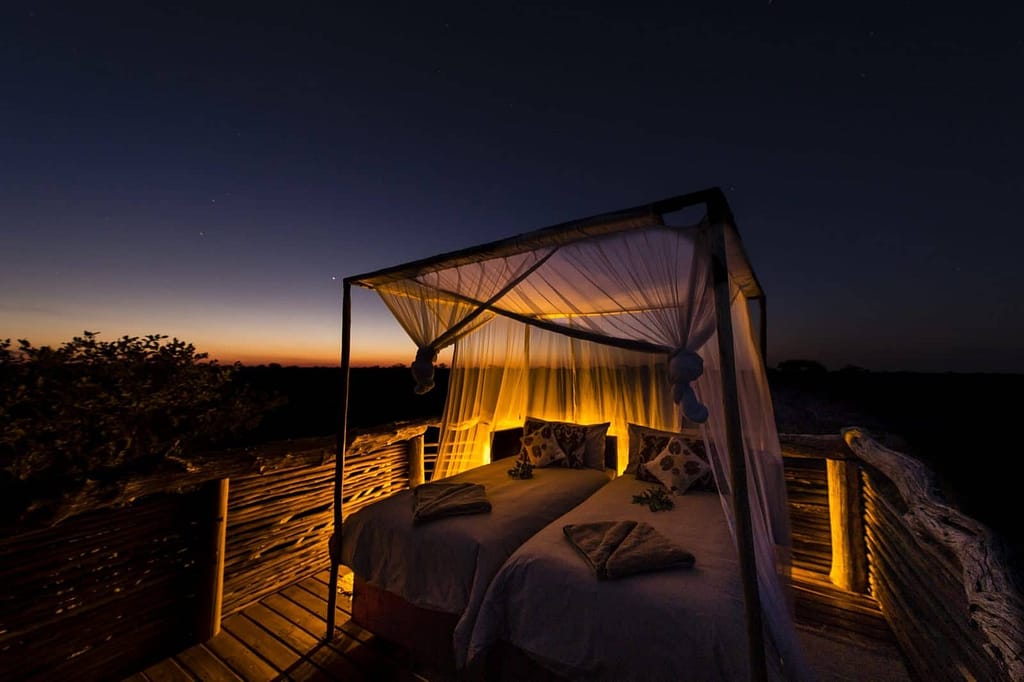
Accommodation (All-inclusive): Skybeds, Botswana


A Botswana trip can look very different. One trip might focus almost entirely on the Okavango Delta. Another could combine the Delta with Chobe and a private reserve. Another might add the Kalahari for a completely different landscape and wildlife experience. You could choose a traditional luxury lodge, a remote tented camp, a private concession, a mobile safari or something much more unusual — such as sleeping above the bush under the stars. There is no single “best” Botswana itinerary. The right combination depends on what you want from the trip.

Accommodation (All-inclusive): Kanana Camp, Botswana


Botswana becomes much more interesting when you look beyond simply “going on safari.” You could spend time in the Okavango Delta experiencing its waterways and wildlife. You could move into a private reserve for a more remote safari experience. You could sleep under the stars in a raised bush hide. Or you could travel south towards the Kalahari and experience a completely different landscape and wildlife environment.

Accommodation (All-inclusive): Jao Camp, Botswana


Why should you travel to Botswana?
Imagine immersing yourself in the pristine wilderness, where majestic elephants roam freely and the rhythmic sounds of the African bush are your constant companion. Botswana, renowned for its stunning landscapes and abundant wildlife, offers one of the most authentic and unforgettable safari experiences on the planet.
Unparalleled Wildlife Encounters
Botswana is home to some of Africa’s most iconic wildlife. From the lush Okavango Delta, a UNESCO World Heritage Site teeming with diverse species, to the vast savannas of Chobe National Park, famous for its large elephant herds, every moment in Botswana promises breathtaking wildlife encounters.
Spectacular Natural Beauty
The country’s varied landscapes, from the serene waterways of the Okavango Delta to the stark beauty of the Kalahari Desert, provide a backdrop of unparalleled beauty. Witness the dramatic contrasts and unspoiled nature that make Botswana a paradise for nature lovers and photographers alike.

Accommodation (All-inclusive): Camp Kalahari, Botswana


Exclusive and Intimate Experiences
Botswana offers a sense of exclusivity and privacy rarely found in other safari destinations. With its commitment to sustainable tourism and low-impact travel, you can explore this magnificent country without the crowds, enjoying intimate and personal wildlife experiences.
Rich Cultural Heritage
Beyond its natural wonders, Botswana boasts a rich cultural heritage. Engage with local communities and learn about the traditions and lifestyles of the indigenous people, adding a deeper, more meaningful dimension to your travel experience. Embark on a journey to Botswana and discover a world where nature reigns supreme and every day is an adventure. Whether it’s your first safari or your tenth, Botswana will captivate your heart and leave you with memories to last a lifetime.
Accommodation (Breakfast included): Semowi Lodge, Botswana


About the locations
Okavango Panhandle:
Okavango Delta:
Makgadikgadi Pans:
Maun:
Practical info
Weather and best time to visit?
Botswana has two seasons really – summer and winter. The Summer (also known as the green season) runs from November through to April and the Winter (aka dry season) from May to October. Botswana doesn’t really have a Spring and Fall. Unlike the Northern hemisphere, there is less rain in the winter but the temperatures are lower. In fact, the temperatures first thing in the morning can get as low as 9-10 Celsius (50 Fahrenheit). It does warm up quickly though with average daytime temperatures in the mid-20s Celsius (70 Fahrenheit). As there is more rain in the Summer it can be often referred to as a wet season or rainy season which doesn’t sound very appealing. Residents of places like Europe and North America associate rain with endless drizzle and miserable grey skies which just isn’t the case in Africa. Often days in the summer months start with glorious warm sunshine that maintains throughout the day and then clouds start to build in the afternoon. On most days there will then be a huge downpour that lasts no more than 15-30 minutes and then it breaks back to clear skies again. This can be wonderfully dramatic with dark moody skies leading to some compelling imagery.
Traveling with minor children to Botswana:
You are responsible for having the correct travel documents. We emphasize the rules for traveling with children. Strict rules apply to Botswana, which means that you are required to be in possession of an original birth certificate of your child(ren) (international and English). If you do not have this original birth certificate with the original stamp, you might not be allowed on the flight. Should the minor be travelling with one parent only, then a letter of consent from the other parent should the minor be travelling with one parent.
Are vaccinations mandatory in Botswana?
No vaccinations are required for Botswana. A vaccination against DTP and hepatitis A is recommended. Be well prepared and therefore seek advice in advance. If you make a stopover on your way to Botswana in a country where yellow fever occurs, you must have a vaccination (stamp) upon entry. Botswana has a risk of malaria; High risk: Year round in areas north of Maun and Pits including the Okavango Delta and Chobe, Moremi, Sibuyu National Parks. From September to May in the remaining northern half of the country below Maun. Low risk: From June to August in the remaining northern half of the country below Maun. And upper southern half of the country. No malaria: Lower southern half of the country, Gaborone. Minimal risk: South central half of the country. Wear long-sleeved protective clothing as much as possible, especially at sunset, and regularly spray anti-mosquito spray with 30-50% DEET.
Is it safe in Botswana?
Botswana is considered one of the safest countries in Africa to travel in. Tourism is welcomed and valued by the locals in general, as it brings opportunities and income. There is no reason for you to feel unsafe anywhere in Botswana, as there have been very few reported incidents of petty theft or other opportunistic crimes.
What language in Botswana?
Setswana is the national language with minor differences in dialect notable around the country. English is the official business language, and it is widely spoken in urban areas with most written communication being in this language.
What do I take with me to Botswana?
Below is a list of luggage items that will definitely come in handy:
- light casual clothing during the day, warm sweater or jacket for the morning/evening.
- warm fleece, scarf, gloves and hat in cold winter months
- well-fitting walking shoes and slippers (useful when showering on safari)
- swimwear, many hotels and lodges have swimming pools.
- Sunscreen, sunglasses and hat/cap, lip balm (strong sun, very dry)
- On safari: sleeping bag (also available for rent) and a small travel pillow is useful.
- Water bottle, 2 liters or 2 separate ones. You should continue to drink a lot, especially in the summer.
- Flashlight, headlamp and possibly binoculars.
How do I pay in Botswana?
The currency in Botswana is Pula, a Tswana word meaning “rain”. Pula is used throughout the country and is the accepted form of payment in restaurants, shops, hotels, or lodges. Most places in Maun, Kasane, Francistown, Gaborone, and other major towns accept international bank cards. ATMs are located in the towns mentioned above, and you can withdraw cash before heading into the parks and reserves, where there are unlikely to be card facilities. Foreign currency is often accepted as a tip or gratuity to helpful staff and safari guides, but not as payment for something in commercial facilities.
What to eat in Botswana?
This country has a huge variety of traditional dishes, the ingredients of which include meat from different animals, cereals, nuts, fruit, as well as fish and seafood. Among the varieties of meat to eat in Botswana, besides the usual beef, goat, and deer you can find giraffe, ostrich meat and oryx meat. As for seafood, oysters, lobsters, and clams are high-quality products that you can eat in Botswana. For its part, tuna is the preferred fish, which is prepared in different ways. Finally, as for fruit, you can savor papayas, bananas, and delicious avocados.
Which plug do I take with me to Botswana?
The sockets in Botswana work on 220-240 volts and have 3 thick round poles. Or 3 rectangular pins.
Tap water?
Tap water in Botswana is well purified and safe to drink. The exception are the remote camp sites. Naturally, bottled mineral water is also available for purchase.
Botswana Desert & Delta Northern Parks Fly-In Safari
Best time to visit: May to October
How long: 10 nights
Price: depending on the region, camp, level of exclusivity, transport and season.


This multi-day journey seamlessly connects Botswana’s most iconic landscapes by light aircraft, offering you unparalleled aerial views and maximizing your time on the ground.From the shimmering salt pans and ancient baobabs of the desert to the lush, labyrinthine waterways of the Okavango Delta, you will witness Africa’s greatest wildlife spectacles in absolute luxury.

Accommodation: Victoria Falls Backpackers Lodge, Zimbabwe


Master your African adventure with our ultimate Botswana Travel Guides and Tailor-Made Itineraries. Whether you dream of soaring over the Okavango Delta on a premier fly-in safari or exploring the desert on a budget, we provide the insider knowledge to make it happen.
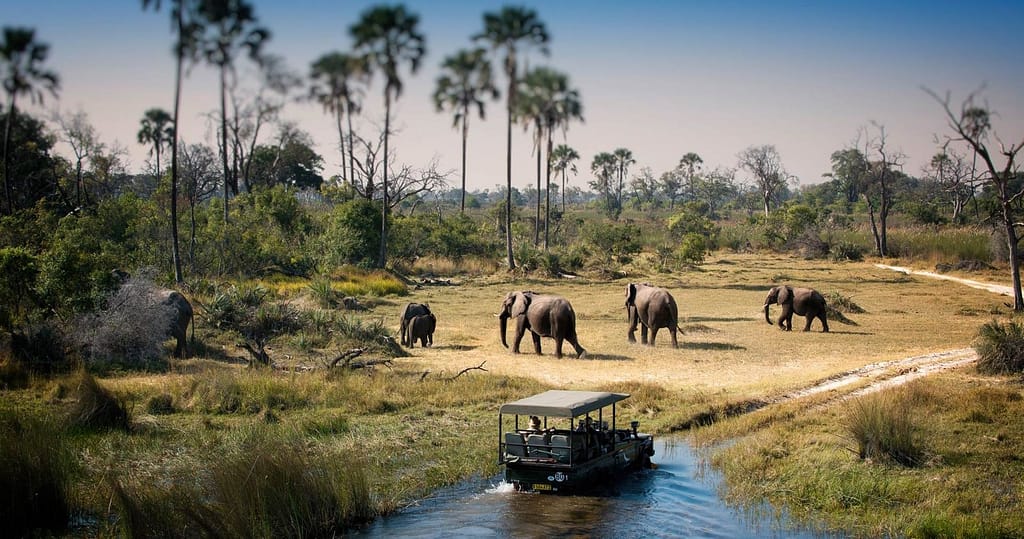
Accommodation (Full board): Chobe Safari Lodge, Botswana


We don’t sell the safaris—we sell the unbiased expertise you need to plan them perfectly. From luxury eco-lodges to budget-friendly hidden gems, our guides cover exactly where to stay, what to do, and how to navigate Botswana’s iconic Northern Parks.

Accommodation (All-inclusive): Ghoha Hills Savuti Lodge, Botswana


How we help you plan:
- Comprehensive Travel Guides: Dive deep into the Desert & Delta circuits with expert breakdowns of activities, wildlife hotspots, and logistics.
- Options for Every Budget: Discover how to experience the magic of a fly-in safari, whether you are looking for five-star luxury or smart, budget-conscious alternatives.
- Tailor-Made Travel Plans: Skip the cookie-cutter packages. Let our experts build a custom, day-by-day itinerary designed entirely around your budget, pace, and travel style.

Accommodation (All-inclusive): O Bona Moremi Safari Lodge, Botswana


Don’t leave your bucket-list trip to chance. Grab your Botswana Guide or request your custom travel plan today to start designing your dream safari.
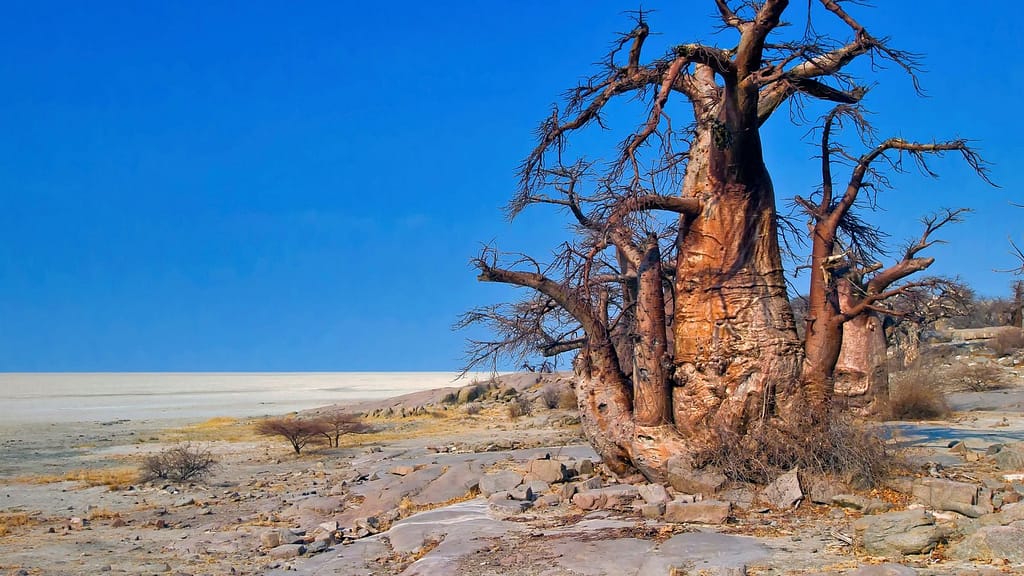
Accommodation (All-inclusive): Leroo La Tau, Botswana


About the locations
Victoria Falls
Chobe National Park:
Savuti – Chobe National Park:
Moremi Game Reserve
Boteti River – Makgadikgadi Pans
Practical info
Weather and best time to visit?
Botswana has two seasons really – summer and winter. The Summer (also known as the green season) runs from November through to April and the Winter (aka dry season) from May to October. Botswana doesn’t really have a Spring and Fall. Unlike the Northern hemisphere, there is less rain in the winter but the temperatures are lower. In fact, the temperatures first thing in the morning can get as low as 9-10 Celsius (50 Fahrenheit). It does warm up quickly though with average daytime temperatures in the mid-20s Celsius (70 Fahrenheit). As there is more rain in the Summer it can be often referred to as a wet season or rainy season which doesn’t sound very appealing. Residents of places like Europe and North America associate rain with endless drizzle and miserable grey skies which just isn’t the case in Africa. Often days in the summer months start with glorious warm sunshine that maintains throughout the day and then clouds start to build in the afternoon. On most days there will then be a huge downpour that lasts no more than 15-30 minutes and then it breaks back to clear skies again. This can be wonderfully dramatic with dark moody skies leading to some compelling imagery.
Traveling with minor children to Botswana:
You are responsible for having the correct travel documents. We emphasize the rules for traveling with children. Strict rules apply to Botswana, which means that you are required to be in possession of an original birth certificate of your child(ren) (international and English). If you do not have this original birth certificate with the original stamp, you might not be allowed on the flight. Should the minor be travelling with one parent only, then a letter of consent from the other parent should the minor be travelling with one parent.
Are vaccinations mandatory in Botswana?
No vaccinations are required for Botswana. A vaccination against DTP and hepatitis A is recommended. Be well prepared and therefore seek advice in advance. If you make a stopover on your way to Botswana in a country where yellow fever occurs, you must have a vaccination (stamp) upon entry. Botswana has a risk of malaria; High risk: Year round in areas north of Maun and Pits including the Okavango Delta and Chobe, Moremi, Sibuyu National Parks. From September to May in the remaining northern half of the country below Maun. Low risk: From June to August in the remaining northern half of the country below Maun. And upper southern half of the country. No malaria: Lower southern half of the country, Gaborone. Minimal risk: South central half of the country. Wear long-sleeved protective clothing as much as possible, especially at sunset, and regularly spray anti-mosquito spray with 30-50% DEET.
Is it safe in Botswana?
Botswana is considered one of the safest countries in Africa to travel in. Tourism is welcomed and valued by the locals in general, as it brings opportunities and income. There is no reason for you to feel unsafe anywhere in Botswana, as there have been very few reported incidents of petty theft or other opportunistic crimes.
What language in Botswana?
Setswana is the national language with minor differences in dialect notable around the country. English is the official business language, and it is widely spoken in urban areas with most written communication being in this language.
What do I take with me to Botswana?
Below is a list of luggage items that will definitely come in handy:
- light casual clothing during the day, warm sweater or jacket for the morning/evening.
- warm fleece, scarf, gloves and hat in cold winter months
- well-fitting walking shoes and slippers (useful when showering on safari)
- swimwear, many hotels and lodges have swimming pools.
- Sunscreen, sunglasses and hat/cap, lip balm (strong sun, very dry)
- On safari: sleeping bag (also available for rent) and a small travel pillow is useful.
- Water bottle, 2 liters or 2 separate ones. You should continue to drink a lot, especially in the summer.
- Flashlight, headlamp and possibly binoculars.
How do I pay in Botswana?
The currency in Botswana is Pula, a Tswana word meaning “rain”. Pula is used throughout the country and is the accepted form of payment in restaurants, shops, hotels, or lodges. Most places in Maun, Kasane, Francistown, Gaborone, and other major towns accept international bank cards. ATMs are located in the towns mentioned above, and you can withdraw cash before heading into the parks and reserves, where there are unlikely to be card facilities. Foreign currency is often accepted as a tip or gratuity to helpful staff and safari guides, but not as payment for something in commercial facilities.
What to eat in Botswana?
This country has a huge variety of traditional dishes, the ingredients of which include meat from different animals, cereals, nuts, fruit, as well as fish and seafood. Among the varieties of meat to eat in Botswana, besides the usual beef, goat, and deer you can find giraffe, ostrich meat and oryx meat. As for seafood, oysters, lobsters, and clams are high-quality products that you can eat in Botswana. For its part, tuna is the preferred fish, which is prepared in different ways. Finally, as for fruit, you can savor papayas, bananas, and delicious avocados.
Which plug do I take with me to Botswana?
The sockets in Botswana work on 220-240 volts and have 3 thick round poles. Or 3 rectangular pins.
Tap water?
Tap water in Botswana is well purified and safe to drink. The exception are the remote camp sites. Naturally, bottled mineral water is also available for purchase.
Botswana: a luxury family safari holiday
Best time to visit: May to October
How long: 9 nights
Price: depending on the region, camp, level of exclusivity, transport and season.


Introduce your family to the magic of the wild with a flawless luxury family safari in Botswana. Renowned for its pristine landscapes and untouched wilderness, Botswana offers a safe, deeply enriching, and exclusive environment where multi-generational families can bond over unforgettable wildlife encounters.

Accommodation (breakfast included): The Waterfront, Maun


Enjoy Mokoro excursions which give you a chance to enjoy a slower safari and time to focus on the smaller but equally special aspects of the Okavango Delta. Poling through the clear shallows of the Okavango your local expert will explain about local life on the channels of the Okavango Delta and introduce you to the fauna and flora of this unique environment. For those looking for a more personal experience of the bush a nature walk through this wilderness can be arranged with your guide.

Accommodation (Full board): Duke’s Camp


Why Botswana is the ultimate family destination:
- Exclusive & Private Concessions: Enjoy private vehicles and tailored daily schedules, allowing your family to explore the bush at your own pace without rushing the kids.
- Specialized Family Lodges: Stay in luxury safari suites featuring interconnected rooms, private plunge pools, and dedicated “Cub Clubs” that teach children bush tracking and survival skills.
- Diverse, Non-Bumpy Activities: Break up standard game drives with gentle boat cruises, mokoro canoe safaris, and interpretive bush walks led by world-class guides.
- Malaria-Free & Low-Risk Options: Access premier, family-friendly regions that prioritize safety, comfort, and top-tier medical hospitality.

Accommodation (Full board): Hyena Pan Camp


Whether you need a comprehensive guide to vetting family lodges or want a completely customized, stress-free itinerary built from scratch, we have you covered. Let us design your family’s dream Botswana safari today.
Accommodation (All-inclusive): Ghoha Hills Savuti Lodge
To everything comes an end, but the memories will be yours forever.
About the locations
Maun:
The Okavango Delta:
Chobe National Park:
Practical info
Weather and best time to visit?
Botswana has two seasons really – summer and winter. The Summer (also known as the green season) runs from November through to April and the Winter (aka dry season) from May to October. Botswana doesn’t really have a Spring and Fall. Unlike the Northern hemisphere, there is less rain in the winter but the temperatures are lower. In fact, the temperatures first thing in the morning can get as low as 9-10 Celsius (50 Fahrenheit). It does warm up quickly though with average daytime temperatures in the mid-20s Celsius (70 Fahrenheit). As there is more rain in the Summer it can be often referred to as a wet season or rainy season which doesn’t sound very appealing. Residents of places like Europe and North America associate rain with endless drizzle and miserable grey skies which just isn’t the case in Africa. Often days in the summer months start with glorious warm sunshine that maintains throughout the day and then clouds start to build in the afternoon. On most days there will then be a huge downpour that lasts no more than 15-30 minutes and then it breaks back to clear skies again. This can be wonderfully dramatic with dark moody skies leading to some compelling imagery.
Traveling with minor children to Botswana:
You are responsible for having the correct travel documents. We emphasize the rules for traveling with children. Strict rules apply to Botswana, which means that you are required to be in possession of an original birth certificate of your child(ren) (international and English). If you do not have this original birth certificate with the original stamp, you might not be allowed on the flight. Should the minor be travelling with one parent only, then a letter of consent from the other parent should the minor be travelling with one parent.
Are vaccinations mandatory in Botswana?
No vaccinations are required for Botswana. A vaccination against DTP and hepatitis A is recommended. Be well prepared and therefore seek advice in advance. If you make a stopover on your way to Botswana in a country where yellow fever occurs, you must have a vaccination (stamp) upon entry. Botswana has a risk of malaria; High risk: Year round in areas north of Maun and Pits including the Okavango Delta and Chobe, Moremi, Sibuyu National Parks. From September to May in the remaining northern half of the country below Maun. Low risk: From June to August in the remaining northern half of the country below Maun. And upper southern half of the country. No malaria: Lower southern half of the country, Gaborone. Minimal risk: South central half of the country. Wear long-sleeved protective clothing as much as possible, especially at sunset, and regularly spray anti-mosquito spray with 30-50% DEET.
Is it safe in Botswana?
Botswana is considered one of the safest countries in Africa to travel in. Tourism is welcomed and valued by the locals in general, as it brings opportunities and income. There is no reason for you to feel unsafe anywhere in Botswana, as there have been very few reported incidents of petty theft or other opportunistic crimes.
What language in Botswana?
Setswana is the national language with minor differences in dialect notable around the country. English is the official business language, and it is widely spoken in urban areas with most written communication being in this language.
What do I take with me to Botswana?
Below is a list of luggage items that will definitely come in handy:
- light casual clothing during the day, warm sweater or jacket for the morning/evening.
- warm fleece, scarf, gloves and hat in cold winter months
- well-fitting walking shoes and slippers (useful when showering on safari)
- swimwear, many hotels and lodges have swimming pools.
- Sunscreen, sunglasses and hat/cap, lip balm (strong sun, very dry)
- On safari: sleeping bag (also available for rent) and a small travel pillow is useful.
- Water bottle, 2 liters or 2 separate ones. You should continue to drink a lot, especially in the summer.
- Flashlight, headlamp and possibly binoculars.
How do I pay in Botswana?
The currency in Botswana is Pula, a Tswana word meaning “rain”. Pula is used throughout the country and is the accepted form of payment in restaurants, shops, hotels, or lodges. Most places in Maun, Kasane, Francistown, Gaborone, and other major towns accept international bank cards. ATMs are located in the towns mentioned above, and you can withdraw cash before heading into the parks and reserves, where there are unlikely to be card facilities. Foreign currency is often accepted as a tip or gratuity to helpful staff and safari guides, but not as payment for something in commercial facilities.
What to eat in Botswana?
This country has a huge variety of traditional dishes, the ingredients of which include meat from different animals, cereals, nuts, fruit, as well as fish and seafood. Among the varieties of meat to eat in Botswana, besides the usual beef, goat, and deer you can find giraffe, ostrich meat and oryx meat. As for seafood, oysters, lobsters, and clams are high-quality products that you can eat in Botswana. For its part, tuna is the preferred fish, which is prepared in different ways. Finally, as for fruit, you can savor papayas, bananas, and delicious avocados.
Which plug do I take with me to Botswana?
The sockets in Botswana work on 220-240 volts and have 3 thick round poles. Or 3 rectangular pins.
Tap water?
Tap water in Botswana is well purified and safe to drink. The exception are the remote camp sites. Naturally, bottled mineral water is also available for purchase.
Stop Overpaying: Let Us Find Your Perfect Flight Tickets.
Hunting for the best flight deals can take hours of frustrating research. Let our flight experts do the heavy lifting for you.
Leverage our deep booking experience to skip the stress and unlock the smartest routes. Because we are 100% independent, we never earn commissions from airlines. Our only goal is to find the absolute best options for your specific budget, schedule, and group size.
How It Works:
- Share Your Plan: Tell us your destination, budget, desired travel window, and how many people are flying (group size doesn’t matter!).
- We Hunt for Deals: We compare airlines, routes, and departure dates to find hidden savings.
- Choose Your Route: Within 1–2 working days, we will deliver our top flight recommendations. You simply choose the one you like best and book it yourself!
What You Get for a Flat €50 Service Fee:
- The absolute best flight options compared across multiple departure dates and airlines.
- Hours of research saved.
- Potential savings of hundreds of Euros by utilizing our insider routing expertise.
- A fast turnaround with a comprehensive review delivered directly to your inbox.
Book this service
Why Use Hendexp?
No mass tour buses. No rigid group schedules. Just a flawless, human-vetted logistical blueprint to navigate Africa’s premier wilderness entirely on your own terms.
The Group Tour Blueprint—Without the Group Hassle:
If you look at popular group travel websites, you will see incredible, day-by-day itineraries mapped out for adventurous trips. They look amazing on paper. But what they don’t tell you is the reality of traveling in a pack:
- The Pace Dilemma: You move only as fast as the slowest person in the group.
- The Forced Socializing: You are trapped eating three meals a day with a crowd of strangers.
- The Rigid Schedule: Found a hidden local café or an incredible wildlife viewing spot you love? Too bad—the tour bus leaves at exactly 2:00 PM.
- The Middleman Markup: You pay inflated prices per seat just to fund the overhead of a large tour operator.
We steal the best part of group tours—and give you the freedom back.
At Hendexp, we build the exact same caliber of expert, day-by-day itineraries that you see on high-end group sites. We map out the clever routes, find the hidden boutique stays, and solve the complex logistical puzzles.
The only difference? We hand the blueprint directly to you.
You get the flawless coordination of an organized expedition, but you travel completely by yourself, moving entirely on your own schedule. You book direct, you save money, and you bypass the group hassle entirely.
The Real Challenge of Planning Botswana:
You can find thousands of Botswana lodges on Google and endless generic schedules online. But standard, automated lists cannot verify the reality on the ground. Most automated systems choose the exact same popular, crowded properties for every user, completely missing the true spirit of the destination.
They do not know that if you book the wrong concession in the Okavango Delta during the dry season, you will be looking at empty mudflats instead of water. They do not know which remote deep-sand tracks require a double-differential lock 4×4, which local charter pilots are reliable, or how to bypass overpriced tourist traps to find true isolation.
Botswana becomes extraordinary when you look beyond a generic “safari package.” The challenge isn’t finding options—it’s knowing where your time and money are actually worth spending. We do the boots-on-the-ground filtering. You execute the journey by yourself.
Choose Your Level of Help:
Option 1: The Botswana Guide
Want to explore Botswana independently without spending weeks digging through conflicting travel forums?
This is not just a vague, high-level travel plan. This is a comprehensive, download-and-go digital blueprint mapped out for a specific trip length that we have intentionally selected for the destination.
It provides an exact, day-by-day layout of what to do and precisely where to stay each night—complete with handpicked accommodation choices so you can click and book directly if you like it. Every single route, activity, hidden local spot, and lodging recommendation has been curated after hours of real-world searching and genuine travel experience. This guide hands you everything you need to execute a flawless independent trip immediately. We cover all travel tiers within our plans, mapping out the best handpicked options for backpacker budgets, mid-range comfort, and high-end luxury.
- Ready-to-Use Timeline: A day-by-day, hour-by-hour breakdown for our custom-selected trip length.
- Handpicked Accommodations: Specific boutique camps and lodges chosen for their value and vibe, complete with direct booking links.
- Regional Deconstruction: Honest breakdowns of the Okavango Delta, Chobe, Moremi, and the Kalahari. Know exactly what each area offers before you commit.
- Safari Styles & Private Concessions: Learn the structural differences between highly accessible public parks and exclusive, remote private concessions.
- Budgeting & Logistics: Realistic cost transparency across different travel tiers, seasonal optimal windows, and direct booking links to vetted local operators.
(Note: If you want a different trip length or a blueprint designed specifically for your personal preferences, choose the Custom Travel Plan below).
Option 2: The Custom Bespoke Travel Plan:
If you want a flawless independent trip but don’t want to handle the heavy logistical research, let a human expert map it out explicitly for you.
You do not have to accept a rigid, pre-designed group package. Tell us your travel dates, group size, comfort expectations, and wildlife goals. A human researcher will spend hours building a proprietary, custom itinerary designed entirely around your specific requirements.
- Bespoke Logistics: We map out exactly where to go, how long to stay in each pocket, and how to logically connect them (whether by light aircraft charter or 4×4 vehicle).
- Tailored Scouting: You receive custom-vetted accommodation options, targeted independent experiences, and precise cost estimates tailored directly to your budget.
- Total Independence: We hand over the complete research blueprint with direct supplier contact details. You book everything directly yourself, retaining full control over your money, your data, and your schedule.
Why Hendexp Works: Absolute Freedom & Better Value
When you travel independently with our blueprints, you unlock a deeply personal experience and a level of pure freedom that group tours simply cannot offer.
Best of all, the economics work completely in your favor. Whether you are traveling solo, as a couple, or with a large group, following our independent travel blueprints is significantly cheaper than paying per person for a rigid group tour. Instead of paying high company markups to sleep in the rigid, cookie-cutter hotel blocks used by mass tour operators, your money goes directly to the suppliers. This allows you to secure far superior, intimate boutique accommodations for less overall cost.
We do not sell you hotel rooms, and we do not herd you into a tour group. We sell unbiased, human-verified research. We look across the vast chaos of global travel options, compare them ruthlessly, and hand you the keys to a perfect, self-guided African expedition.
So:
Botswana Guide:
-Already researched. You explore the options yourself and book directly.
Custom Botswana Travel Plan:
-Research specifically for you, based on your dates, budget, interests and preferences.
We do the searching. You choose the experience.


